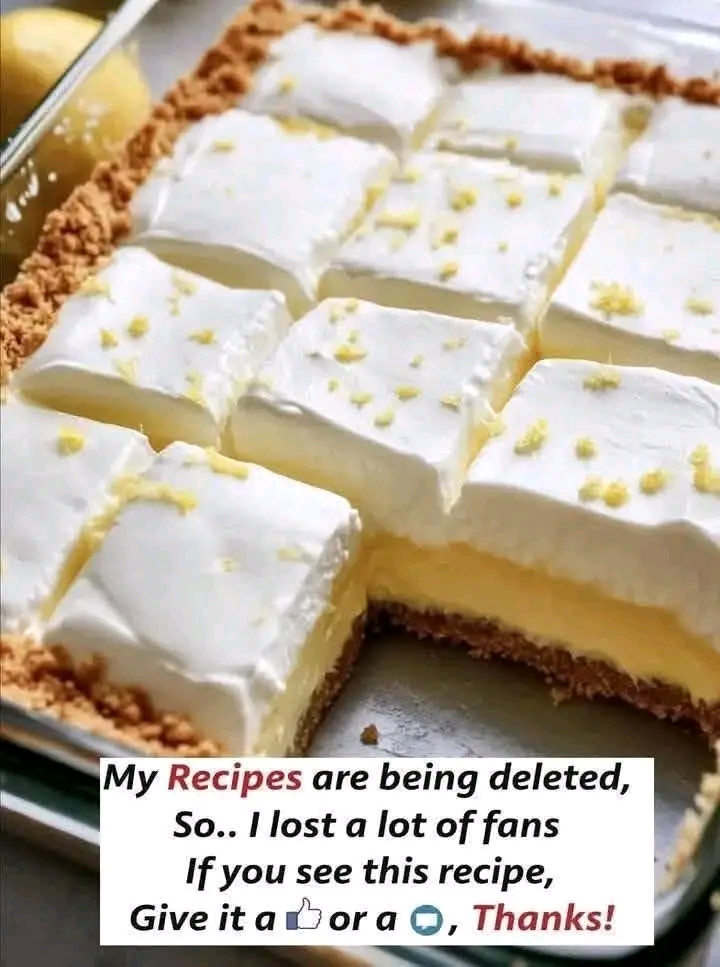
- Berry Swirl: Before baking the lemon filling, swirl in a few tablespoons of raspberry or blueberry puree for a fruity marbled effect.
- Coconut Boost: Add 1/2 cup of shredded coconut to the crust mixture for a tropical flavor profile.
Storage and Reheating
Lemon Meringue Bars are best enjoyed chilled. Store any leftover bars in an airtight container in the refrigerator for up to 3-4 days. The meringue can sometimes “weep” (release moisture) over time, especially if not fully baked or if exposed to humidity, but the bars will still be delicious.
Freezing is generally not recommended for meringue-topped bars, as the meringue can become rubbery or separate upon thawing. However, if you’ve made plain lemon bars (without meringue), they can be frozen for up to 2 months. Wrap individual bars tightly in plastic wrap, then place them in an airtight container or freezer-safe bag. Thaw in the refrigerator overnight before serving.
These bars are typically served cold, so reheating is not necessary or recommended. The cold temperature enhances the refreshing tang of the lemon and provides a lovely contrast with the crust and meringue.
Frequently Asked Questions
How do I prevent my meringue from weeping?
Weeping meringue, where the meringue releases liquid, is a common issue. To minimize it, ensure your meringue is baked until fully set and lightly golden, which cooks the sugar and stabilizes the egg whites. Using cream of tartar helps, as does adding sugar gradually and beating until very stiff, glossy peaks form. Also, avoid overcooking the meringue, as this can also cause weeping. Serving the bars within a day or two of making them and storing them in an airtight container in the refrigerator also helps.
Can I make these bars ahead of time?
Yes, Lemon Meringue Bars are an excellent make-ahead dessert! You can prepare them a day in advance. In fact, chilling them overnight often improves their flavor and makes them much easier to cut cleanly. If you’re concerned about the meringue, you can prepare the lemon bars (crust and filling) a day ahead, chill them, and then add and bake/torch the meringue topping just a few hours before serving.
Why did my lemon filling not set?
Several factors can cause a runny lemon filling. The most common reasons are not cooking it long enough or not using enough thickeners (flour/cornstarch). Ensure you cook the filling over medium heat, stirring constantly, until it visibly thickens and coats the back of a spoon, and just begins to bubble. It should resemble a thick pudding. Also, make sure your measurements for flour and cornstarch are accurate. Sometimes, too much liquid (lemon juice or water) can dilute the thickeners, so precise measuring is key.
Can I use a different type of sugar for the meringue?
While granulated sugar is standard for meringue, superfine (caster) sugar can be used. It dissolves more quickly, which can result in a smoother meringue. Powdered sugar (confectioners’ sugar) is generally not recommended for meringue as it contains cornstarch, which can interfere with the egg whites whipping properly and affect the texture. Stick to granulated or superfine sugar for the best results in your meringue.