pigments can linger on surfaces.
The vinegar acts as a natural preservative while also providing the classic tangy flavor. White vinegar gives a sharper taste, while apple cider vinegar offers a milder, slightly fruity note.
Sugar balances the acidity of the vinegar, creating that signature sweet-and-sour flavor. You can adjust the amount depending on your taste preferences.
Whole spices like cloves, allspice, or even mustard seeds bring warmth and complexity. Using whole tea leaves or a tea bag adds a subtle depth and earthiness that complements the beets.
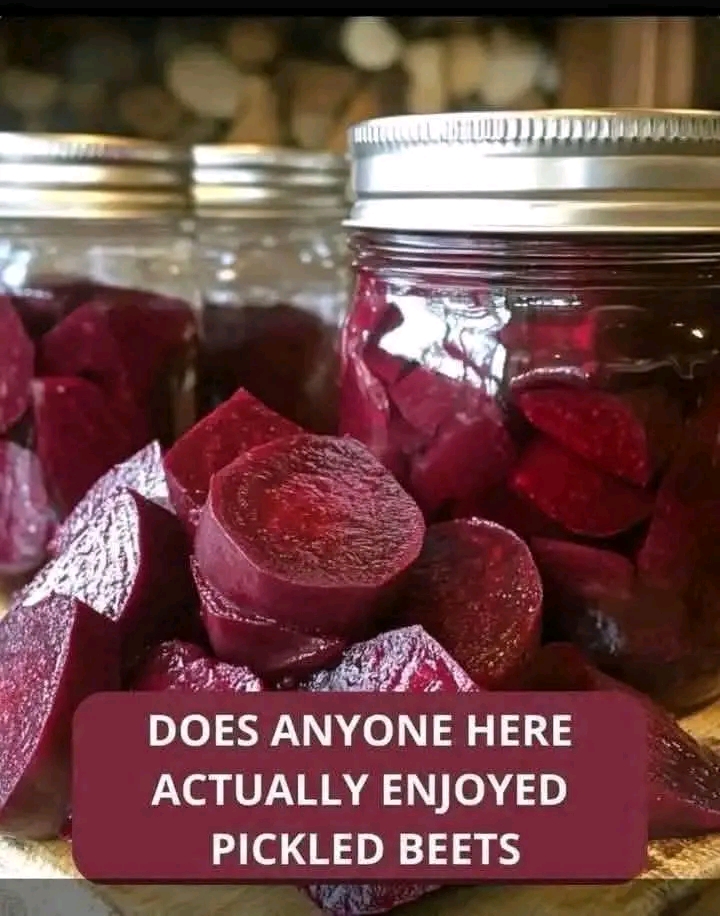
After pouring the brine, make sure your jars are properly sealed. If you’re not canning them for long-term storage, they can be kept refrigerated for a few weeks.
Give your beets time to soak up the flavor. The longer they sit in the brine, the more flavorful and tender they become.
Variations
Add sliced onions to the jar along with the beets for an extra layer of flavor and a bit of crunch. Red onions work especially well.
Incorporate fresh herbs like dill or thyme into the brine for an herbal twist. This can make your pickled beets even more aromatic.
Spice things up by adding chili flakes or a small hot pepper to the jar. It adds a gentle heat that plays off the beets’ sweetness.
Try using different vinegars like balsamic or red wine vinegar for unique flavor profiles. Each brings a distinct character to the final product.
Swap white sugar with honey or maple syrup for a natural sweetener and a richer flavor. This also adds a subtle hint of caramel.
Mix different root vegetables, like carrots or radishes, with the beets in the same jar for a colorful medley of pickled veggies.
Roast the beets before pickling them for a deeper, more caramelized flavor. Roasted beets bring an extra layer of richness.
Tips
Use a non-reactive pot and jars, such as glass or stainless steel, to avoid affecting the flavor and color of the beets.
Sterilize your jars before use by boiling them or running them through a dishwasher cycle. This helps preserve freshness and prevents contamination.
Allow the brine to cool slightly before pouring it over the beets if you want a slightly crunchier texture.
If you plan to store pickled beets long-term, use a water bath canning method to properly preserve them and ensure shelf-stability.
Label your jars with the date they were made so you can track freshness and flavor development over time.
Taste the brine before adding it to the jars. Adjust the seasoning or sweetness to your preference—it should taste good before it even touches the beets.
Use pickled beets in a variety of dishes, from topping salads to pairing with goat cheese or even blending into hummus for a colorful twist.
Conclusion
Pickled beets are a timeless addition to any kitchen, blending tradition with bold, bright flavors.
With just a few simple ingredients, you can create a jar of something truly special that enhances everyday meals and festive spreads alike.
Whether you’re a fan of classic recipes or love experimenting with new flavors, pickled beets offer endless possibilities. Make them once, and you’ll find yourself coming back for more every season.
Let me know if you’d like this styled for a blog post or printable recipe card!